
Literary reflections on Consciousness and Cellular Light, by Anișoara Laura Mustețiu
The Light Within Our Cells
There is a moment, midway through a morning run, when the pavement softens beneath your feet and the rhythmic pounding of your heart ceases to feel like mere mechanical exertion. In that fluid space between breaths, I shift my focus away from muscular strain and turn toward the unseen. I let my inner gaze descend to the base of my spine, then draw it upward through the living light of my belly, stomach, and chest, until it reaches the quiet radiance of my face and forehead. I am, quite literally, bathing my body in its own luminescence. Curiously, as my attention traverses this internal spectrum, physical effort dissolves. Weight vanishes, replaced by a sense of pure expansion.
The Science of Visualization: Biophotons and Cellular Memory
This practice isn’t rooted in mere imagination; it stems from a deeper knowing and an old physical habit. Years ago, while logging endless hours in cycling marathons, I learned to rely on this technique to sustain extreme exertion—an experience I channeled directly into the psychological landscape of Ana, the protagonist in my recent novel, Forgotten in Foreign Lands. Back then, I wrapped physical effort in a mindset that transfigured sheer exhaustion. Science has since confirmed that our cells emit a faint but constant glow—biophotons—a microscopic tapestry of light coating our biology. When I run and trace this internal path, I am simply bringing conscious awareness to a reality already present within me, rekindling an alchemy my body has long understood.
From Physical Exertion to Inner Expansion
Navigating this internal spectrum melts away physical heaviness. The moment conscious focus illuminates the body from within, the brain stops interpreting exertion as stress or pain. Unnecessary muscular tension thins out, breathing settles into a natural cadence, and pain receptors quiet down in the presence of deep calm. This is where I shift my identity from the physical grind of effort to the freedom of the inner Observer. Through simple visualization, I signal safety to my entire system—a state of grace where matter stops fighting gravity and transforms into pure energy.
When Science Validates the Spirit
As a writer, I have always been drawn to the invisible forces shaping what we see. In a world that tells us we are merely perishable biological machines, I searched for answers where science meets mystery. Recently, I read with great delight about the work of Federico Faggin—the physicist who designed the world’s first microprocessor. At the pinnacle of his technological career, Faggin realized that no silicon algorithm could ever replace the human spirit. He speaks of the Soul as an individual quantum entity—a pure structure of light and information that cannot be cloned, copied, or destroyed by the laws of matter. The physical body becomes a temporary interface, a vehicle through which this essence touches the physical world. Faggin also points to qualia—the secret alphabet of the soul—that pure, indescribable spark of joy and awareness we feel when we are truly present. For him, qualia is proof that while an algorithm can measure heat, only the soul can feel warmth.
The Magic of Presence and the Quiet Mind
Eckhart Tolle describes this state of Consciousness simply as Presence: the silent Witness that remains awake when the analytical mind—always hurried, always defensive—finally falls quiet. When I run and visualize vibrant colors inside my body, I am building a bridge between the silence of consciousness and the density of physical matter.
Modern science continually validates this alchemy. Research in epigenetics, notably the work of Nobel laureate Elizabeth Blackburn, shows that our thoughts and emotional states alter our biology at the deepest level. Blackburn demonstrated that mindfulness and inner calm protect our telomeres—the protective caps on our DNA—slowing cellular aging and maintaining the enzyme of life. When the mind settles and consciousness wakes up, our cells receive the signal that they are safe.
The Invisible Conductor
Reflecting on these ideas deepens my awe for the miracle of consciousness—the invisible conductor rewriting the body’s chemical symphony second by second. Looking inward, I see an architecture of light and intention that I hold the power to shape in every moment.
Readers of my novel, Forgotten in Foreign Lands, will walk alongside Ana through the grueling psychology of elite cycling endurance. There, they will discover the immense value of absolute calm—an invisible bridge to the self and to peak performance. Though woven into a literary narrative, the book offers a practical, science-backed look at what happens inside an athlete’s body when they cross the threshold of pain and step into pure energy.
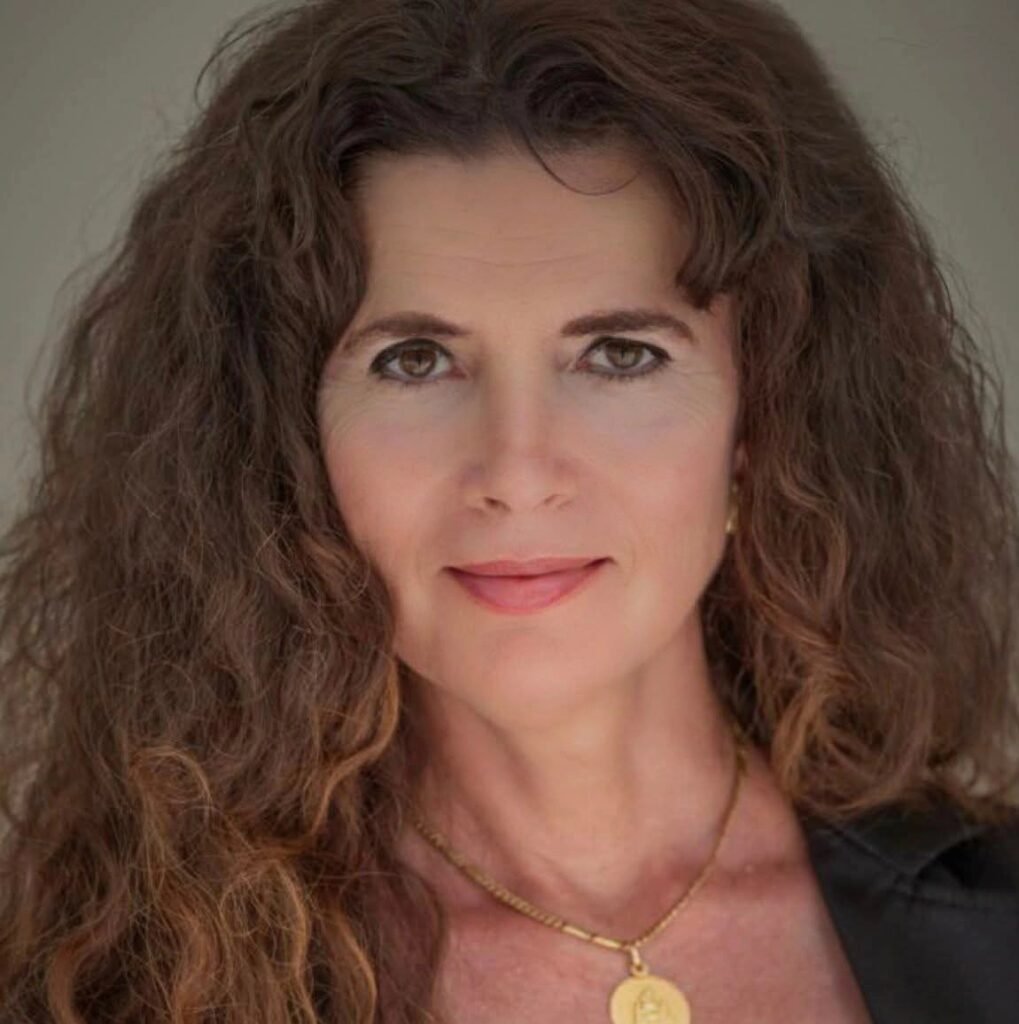
Anișoara Laura Mustețiu is a Romanian writer, born in Timișoara, who spent 24 years in Germany and has been living in Sydney since 2014. She writes prose inspired by real events, love stories, and reflective texts on identity, resilience, personal development, and the meaning of life. With works published in Romanian, English, Italian, and German, she blends literature with insights drawn from psychology, neuroscience, and philosophy.
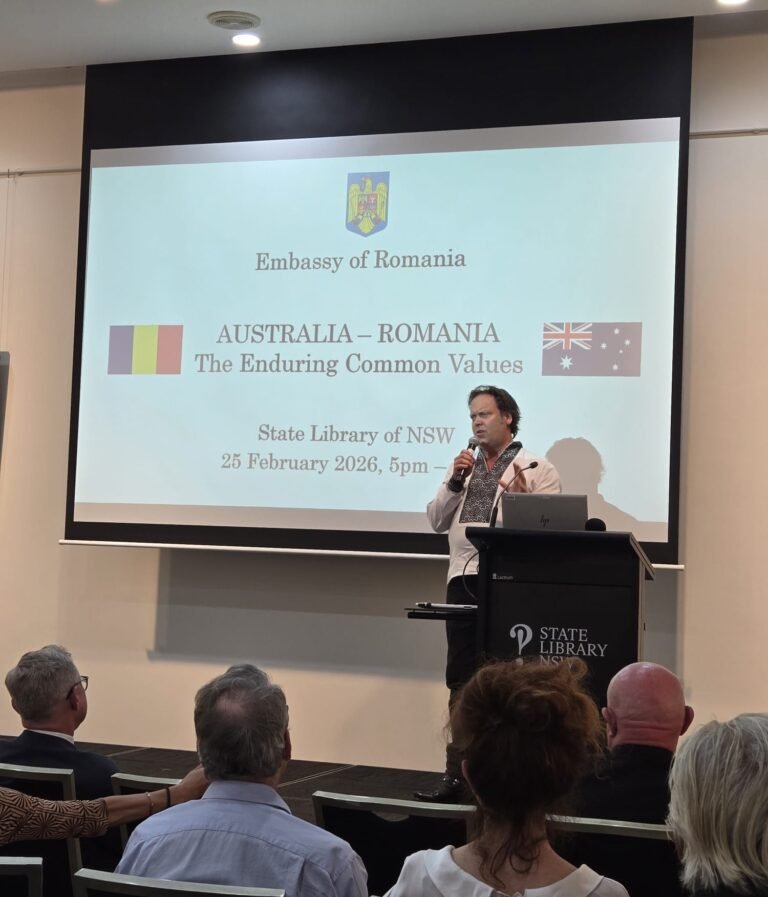
As a writer, editor‑in‑chief of the magazine Emoții și Lumină, radio editor, founder of the Romanian‑Australian Book Club, and an active on‑stage participant in Romanian‑Australian cultural events for the past decade, she contributes to promoting Romanian literature internationally and strengthening intercultural dialogue. Her books, published in four languages, are available in some of the world’s most prestigious bookstores — including Harvard Book Store, Barnes & Noble, and the royal Hatchards bookstore in London — and can be found in most major international cities.