How Much of Yourself Can You See in Other People’s Eyes?
Published in Know Thyself, Heal Thyself on Medium, 26 November 2026
A woman’s self-worth beyond physical beauty
A woman can spend years becoming the person others see while much of who she is remains unknown, even to herself.
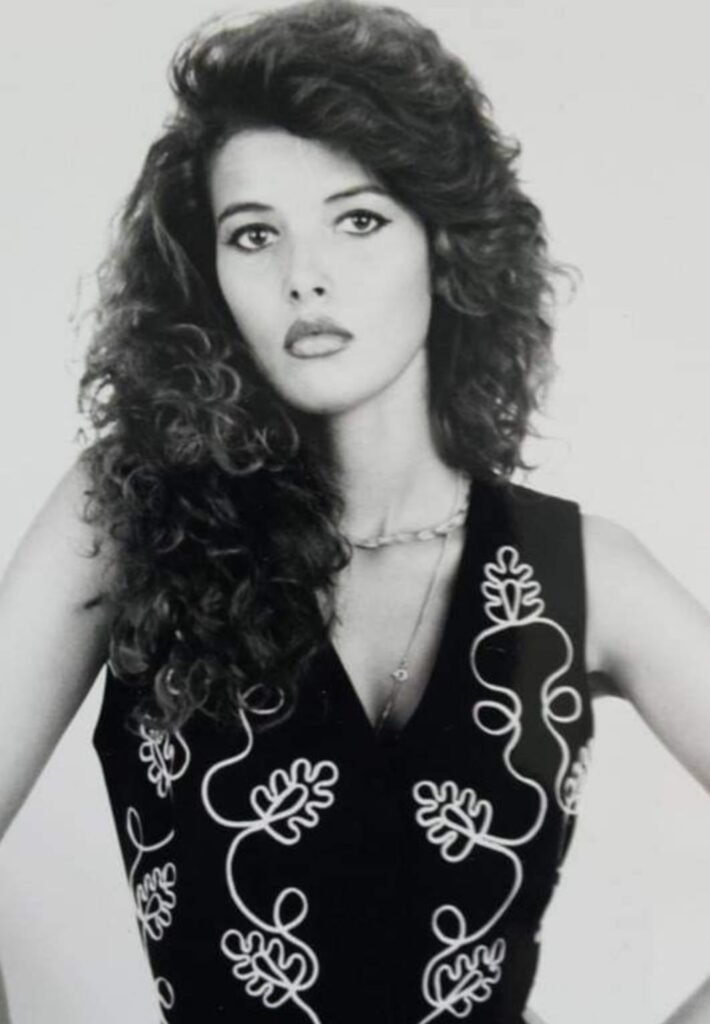
There was a time in my life when people would look at my photographs and tell me how beautiful I was. People noticed my face, my figure, the way I looked. Their admiration was often generous and sincere.
But there was something they couldn’t see.
They didn’t know about the nights I cried, the times my heart was broken, or the despair I sometimes felt behind the image they admired. A photograph could capture my smile, but it couldn’t tell anyone what I was thinking or feeling. Very few people asked.
And for a long time, I didn’t fully understand what that experience was teaching me about beauty, attention, and self-worth.
When Beauty Becomes an Identity
Imagine a teenage girl who starts getting more and more compliments on her appearance. People tell her she’s beautiful. They admire her eyes, her hair, her figure, her smile. She notices how people react around her, how their expressions change, how easily their attention sometimes comes.
At that age, she’s still trying to figure out who she is.
She doesn’t yet know the full extent of her intelligence, her emotional strength, or her courage. She has yet to discover the abilities she’ll develop over the course of her life. Many of these qualities haven’t even had a chance to show themselves.
But people already notice her beauty.
Little by little, she may begin to take that admiration as a measure of her worth.
People value me because I’m beautiful.
And if her beauty brings her admiration, affection, or opportunities, why wouldn’t she want to protect it?
The difficulty comes when one quality becomes the main measure of who she is. Beauty becomes something she feels she has to hold on to at any cost. Meanwhile, other qualities, some of them far more important to the life she’s about to build, receive much less attention.
A Culture That Teaches Women to Judge Themselves by Their Looks
Of course, this belief doesn’t develop in isolation. We live in societies that constantly promote, judge, and sell physical beauty. The fashion industry, cosmetics companies, advertising agencies, the entertainment industry, and, increasingly, social media all help shape our ideas about what an attractive woman should look like.
When a woman becomes unhappy with the way she looks, there’s an enormous market ready to offer her solutions. The beauty industry doesn’t need every woman to think she’s unattractive. It can also fuel the fear, even among women already considered beautiful, that one day they’ll lose their beauty.
It makes me wonder how much of what we find attractive is truly our own and how much we’ve learned from the world around us.
In The Beauty Myth, Naomi Wolf wrote:
“The beauty myth is actually prescribing behavior and not appearance.”
Her observation raises an important question. Are women simply encouraged to look beautiful, or are they also taught how to behave, what to value, and how much weight to give other people’s judgments?
Research in psychology offers some explanations. In 1997, Barbara Fredrickson and Tomi-Ann Roberts developed Objectification Theory. They proposed that women who live in cultures where the female body is routinely judged may gradually come to see themselves through the eyes of an outside observer.
A woman may begin to spend more time watching how she looks to others and pay less attention to what it feels like to inhabit her own body. This constant self-monitoring can contribute to anxiety and shame and make it harder to notice what she’s feeling inside.
A recent review of 83 studies involving more than 55,000 participants found that people who compare themselves with others on social media tend to feel more uneasy or even unhappy about the way they look.
This research helps us understand why appearance can become such a powerful part of our identity, even when we know, rationally, that our worth as human beings goes far beyond physical beauty.
What Happens to the Parts of Us No One Notices?
Some remain unexplored. Others develop quietly through difficult experiences and receive little recognition.
I’ve come to believe that we discover many of our most valuable qualities when life puts us to the test.
Courage shows itself when we’re afraid and keep going anyway. Our intelligence grows when we question what we’ve been told. We become more independent as we learn to make decisions without constantly relying on other people’s approval. Our compassion deepens when we understand suffering, including our own.
These qualities will never draw attention as quickly as physical beauty does.
But they can shape the course of an entire life.
The Freedom to Be Natural
Living in Australia has given me a different perspective on beauty. One of the things I appreciate here, especially at Sydney’s beaches, is how relaxed people are about the way they look.
Of course, beauty standards and social pressures exist in Australia, too. But I love the freedom of a way of life where pulling on a pair of shorts, slipping into thongs, grabbing your sunnies, and heading to the beach to dive into the waves can matter far more than high heels, the perfect dress, flawlessly styled hair, and carefully done makeup.
I can simply enjoy the sun, the sea, and the pleasure of being outdoors. I don’t need anyone to admire the way I look to enjoy those moments.
There’s something freeing about that simplicity.
I experience life through my body. In those moments, my attention is on what I can do and feel. I run, I swim, and I feel the warmth of the sun. I appreciate everything my body lets me experience.
To me, there’s beauty in that, too. There’s a freedom in enjoying life without always wondering how you look to others.
I still enjoy beautiful clothes, makeup, and dressing up, and I think women should feel free to enjoy those things.
What matters to me now is being able to choose them without feeling that my worth depends on them.
What Happens When the Face in the Mirror Starts to Change?
The way we look changes throughout our lives. Fine lines appear. Our skin loses some of its elasticity. The body responds to hormonal changes, to what we live through, and to the natural processes of ageing as the years go by faster than we’d like.
Beauty can endure through all these changes. Even so, they can be difficult for a woman who has learned to tie her worth to youth and beauty.
What happens when the compliments become fewer and the face in the mirror no longer looks like the one in photographs taken twenty or thirty years ago? These days, it’s so easy to smooth a few wrinkles in a photograph and tell ourselves, for a moment, that we still look that way. For a moment, it’s a lovely illusion.
If admiration has become one of our main sources of self-worth, growing older can feel like losing something far more important than a youthful appearance.
It can feel like losing a part of who we are.
The Long Road to Recognizing My Own Worth
I’m 55 now. Looking back, I realize how hard I worked to develop a different understanding of who I am. My sense of self-worth didn’t change overnight because I reached a certain age. It grew gradually through what I lived through, the mistakes I made, the difficult decisions and the lessons I learned. It grew through reading, writing, and questioning beliefs I’d held for years.
I began to look more closely at the woman who had lived through those years.
What helped her get back up when life was difficult? How did she find a way forward when she didn’t know what would happen next? Where did she find the courage? What abilities had she developed without realising how much they mattered?
The more I explored these questions, the less I wanted my identity to depend on how other people saw me.
Writing became one of the ways I explored what I was discovering. In my books, I’ve returned to stories drawn from real life to explore emotions, relationships, identity, and our ability to get back up when life is difficult. I’m interested in the person behind the story, in what they found within themselves that helped them keep going, and in the meaning they can find in what they’ve lived through when they look back with greater maturity.
I wanted to get to know myself beyond their admiration or judgement.
I wanted to appreciate the woman I had been, including the parts of her that no one had thought to look for.
What I’d Tell a Young Woman Today
If I could speak to a young woman who’s beginning to realize that others find her beautiful, I wouldn’t tell her to brush off the compliments.
Enjoy them! There’s nothing wrong with liking the way you look or feeling good when someone finds you attractive.
But don’t let admiration become the only mirror in which you recognize yourself.
Be curious about what your mind can do. Develop your own judgement. Discover what you believe in, what you value, and what you’re capable of achieving. Learn to make decisions, to recover from disappointment, to protect your dignity, and to recognize relationships in which people care about who you are beyond how you look.
Pay attention to the people who ask what you think and how you feel, who want to know more about you than what they can see.
And ask yourself questions that have nothing to do with beauty. What am I capable of learning? What gives life meaning? What qualities have helped me through difficult experiences?
Who am I when I stop looking for myself in other people’s eyes?
You might discover that some of the most remarkable, even fascinating, things about you have never appeared in a photograph.
The Woman Beyond the Photograph
When I look at photographs from my youth, I appreciate the beauty of the young woman I was. But now I see something else, too. I see the emotions she was trying to understand and soothe, the decisions she hadn’t yet made, the abilities she hadn’t discovered, and the path she was learning to make for herself.
I wish I’d understood her worth better back then.
I wish I’d seen how much there was to admire in that young woman beyond the way she looked, especially the strength she was developing through hardships no one else could see.
Today I can give her that appreciation.
I think that’s what it means to learn to love ourselves. We learn to recognise our own worth without waiting for someone else to confirm it.
I still see the beauty in those photographs. But I’m more interested in the woman who lived her life beyond the frame.
She was always so much more than others could see. It just took me years to discover how much more.
Discover Literature Rooted in Genuine Human Emotion
If you cherish authentic human storytelling, deep emotional resonance, and reflective prose, explore Letters for My Soul and Forgotten in Foreign Lands by Anișoara Laura Mustețiu.
Read Book Excerpts & Explore Works

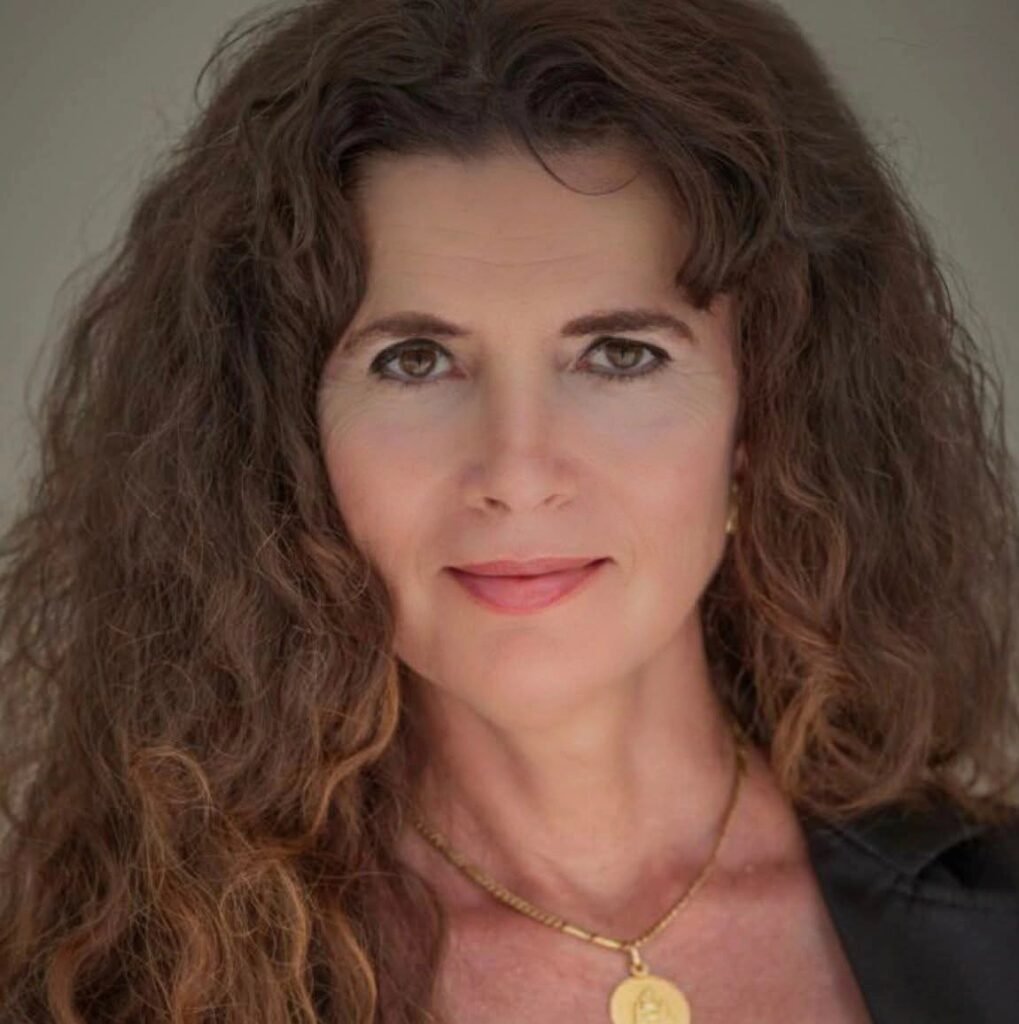
Anișoara Laura Mustețiu is a Romanian writer, born in Timișoara, who spent 24 years in Germany and has been living in Sydney since 2014. She writes prose inspired by real events, love stories, and reflective texts on identity, resilience, personal development, and the meaning of life. With works published in Romanian, English, Italian, and German, she blends literature with insights drawn from psychology, neuroscience, and philosophy.
As a writer, editor‑in‑chief of the magazine Emoții și Lumină, radio editor, founder of the Romanian‑Australian Book Club, and an active on‑stage participant in Romanian‑Australian cultural events for the past decade, she contributes to promoting Romanian literature internationally and strengthening intercultural dialogue. Her books, published in four languages, are available in some of the world’s most prestigious bookstores — including Harvard Book Store, Barnes & Noble, and the royal Hatchards bookstore in London — and can be found in most major international cities.