When AI Makes Us Doubt Our Own Voice
On creative freedom and authenticity in a world where writing styles can be imitated
by Anisoara Laura Mustetiu
Lately, I’ve noticed something that has been troubling me more and more. AI-generated texts often use repetition, metaphors, contrasts, short sentences, sometimes even a single word placed on its own line to give it greater impact. But I’ve been writing like this for years…
Before turning to prose, I wrote poetry. I’ve always loved metaphors, personification, similes, and the interplay between long and short sentences. I like repeating a word for its rhythm, letting an image breathe, or pausing in the middle of a thought. And now I keep coming across these same forms of expression in AI-generated writing.
I think I’m beginning to worry. So what am I supposed to do? Give up repetition? Change my metaphors? Make my sentences longer? Adopt an unusual writing style simply to avoid sounding like AI? Or should I just smile and ignore it?
If artificial intelligence eventually learns to reproduce almost every literary style, how will we preserve our creative freedom and authenticity?
From Flight to Captivity?
Years ago, I described writing this way:
Writing is a release of the soul from the silent places of our being. Words fall gently to the earth like summer rain, releasing refreshing thoughts and tangible emotions into the world.
That’s how I felt then, and it’s how I still feel today. Writing gives me the freedom to travel through unknown worlds, return to distant memories, and bring characters to life who sometimes end up surprising even me.
An image calls up a memory, a word awakens an emotion, and something from the past reveals a meaning I hadn’t seen before. It’s one of the greatest joys of creating… discovering something while I’m writing.
But lately, I sometimes catch myself stopping in the middle of a sentence. Does this sound too much like something AI would write?
The question doesn’t take away my desire to write, but it interrupts my freedom. It’s as though, in the middle of a flight, a cage suddenly appears where there was none before. I fly around it…
I wonder how many other writers are experiencing something similar. How many literary styles will be abandoned simply because they resemble those used by AI?
Can We Stay Open Without Losing Our Voice?
This morning, I listened to a podcast featuring Rick Rubin, the renowned American music producer and author of The Creative Act: A Way of Being. I was drawn to his ideas about creativity, freedom, and the importance of staying connected to our own artistic sensibility.
Rubin sees creativity as a way of being, not merely something we do. He speaks about curiosity, experience, and the attention we bring to discovering the world around us.
As I listened, I wondered whether, in trying to protect our authenticity, we might risk losing the very freedom that makes it possible.
I enjoy receiving feedback, learning, and discovering new perspectives. Sometimes a suggestion helps us find a better way to express a thought. But there’s a difference between changing a sentence because I’ve found a more beautiful way to say something and changing it simply because it resembles something artificial intelligence might write.
In the first case, I grow. In the second, I move a little further away from my natural way of creating.
At the same time, I’m beginning to realise that artistic freedom needs two things: the openness to learn and the confidence to remain ourselves.
What Do We Lose When We’re Afraid to Create?
Psychologist Teresa Amabile has studied how the expectation of being evaluated can influence creativity. In experiments involving creative writing, certain conditions that emphasised evaluation were associated with work judged to be less creative.
What struck me was that we don’t always need to be criticised. Sometimes, simply anticipating other people’s judgement is enough to shift our attention away from what we’re creating and towards how others might perceive us.
But for me, writing isn’t simply about putting thoughts I already know onto paper. Sometimes I begin with a memory or a question. A character makes an unexpected choice, a metaphor brings another image to mind, and from their meeting, a new thought emerges.
Aristotle also recognised the power of metaphor to help us perceive similarities and discover something new. A metaphor isn’t always there to decorate a sentence. Sometimes it allows us to see something we hadn’t noticed before.
If we abandoned certain forms of expression simply because they also appear in AI-generated texts, we might lose the encounter with an unexpected thought, the wonder of understanding a character more deeply, or the emotion of discovering an image we had never imagined before.
Writing sometimes changes the way we see life, other people, the past, and the present.
The Years Behind a Book
Today, artificial intelligence can generate a story in minutes. A writer may spend years bringing one to life. But is the value of a book measured by the time it takes to write, or by what it manages to convey?
For me, writing means more than a finished story. Behind it lie memories, experiences, sleepless nights, doubts, and the joy of discovering something new about myself and the world. Sometimes a story changes me before it ever reaches a reader.
Years ago, I wrote:
Writing is a spiritual journey, a dusty path along which the soul wanders tirelessly in search of knowledge. Along that path, it shakes loose its dreams and lived experiences, scattering emotions and radiating light. Its sparks become words, and words become stories.
And I wonder, in a world where a machine can produce the finished result in a matter of minutes, what place will remain for the inner journey of the person who creates?
What Will Authenticity Mean?
Possibly, in the future, we won’t always be able to recognise writing created by a human being through its style alone.
But metaphors, repetition, and other literary devices have never belonged to any single writer. Authors have used them for centuries, each bringing their own sensitivity, experiences, and imagination to them.
And yet, when I write, these familiar forms of expression become intertwined with my memories, emotions, and experiences. They take on something deeply personal. Through them, new images and meanings emerge, shaped by my own way of seeing and understanding the world.
I believe part of authenticity lies in what makes us choose certain words, how we arrange them, the memories they awaken, the questions we carry, and the meanings we discover through writing.
For me, writing remains a release of the soul from the silent places of our being. Words fall gently to the earth like summer rain, releasing refreshing thoughts and tangible emotions into the world.
I don’t know what literature will look like in ten or twenty years. But I hope to keep writing with the same freedom, to learn, to experiment, and to enjoy every discovery without looking at my own words with suspicion.
Because if we begin changing our voices so we won’t sound like machines, what will happen to the humans those machines learned to write from?
Originally published in ILLUMINATION on Medium
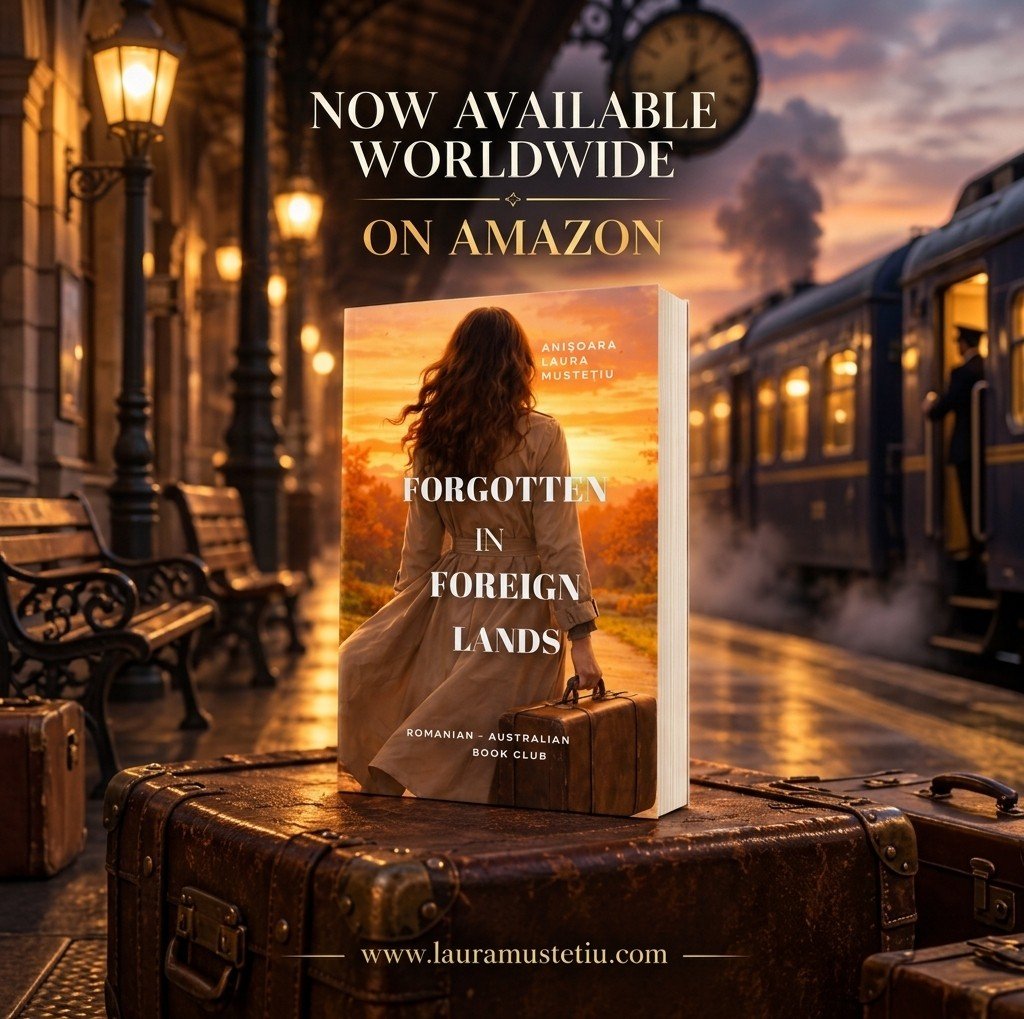
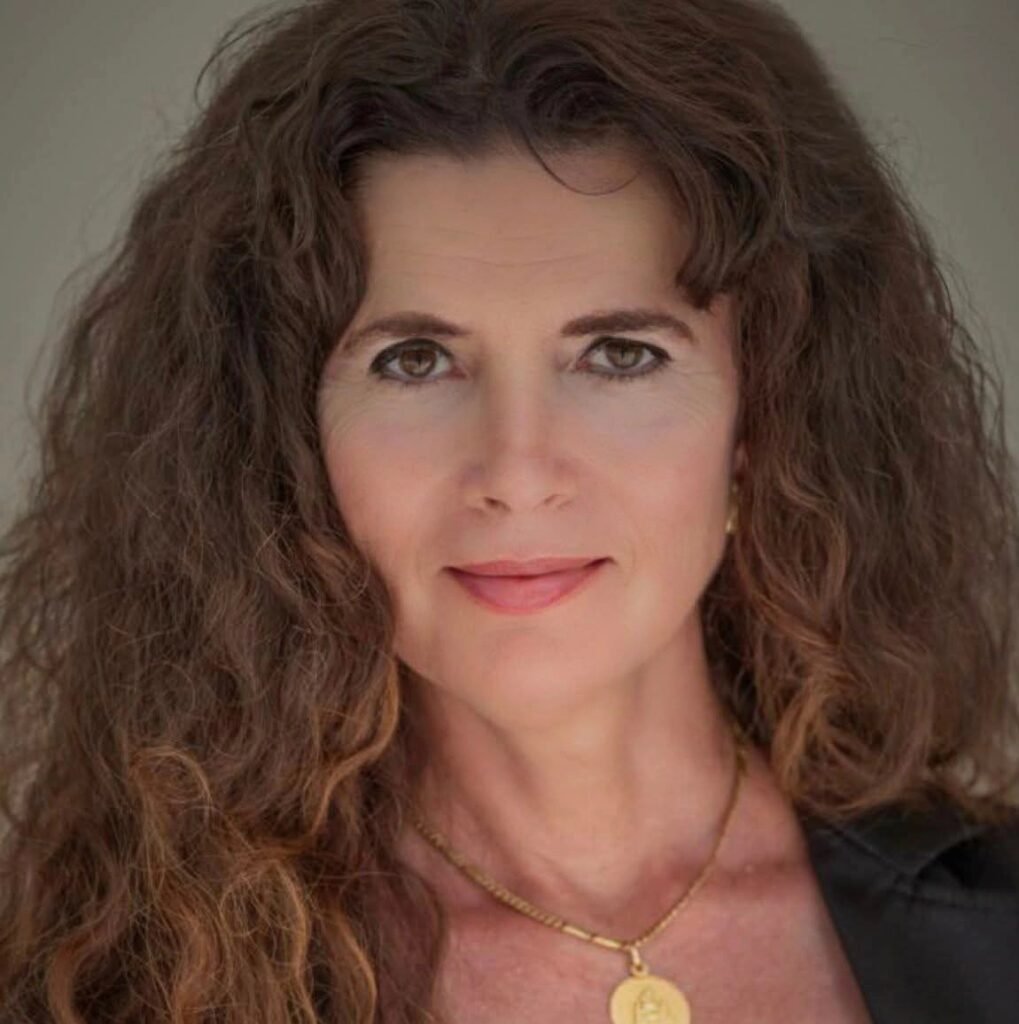
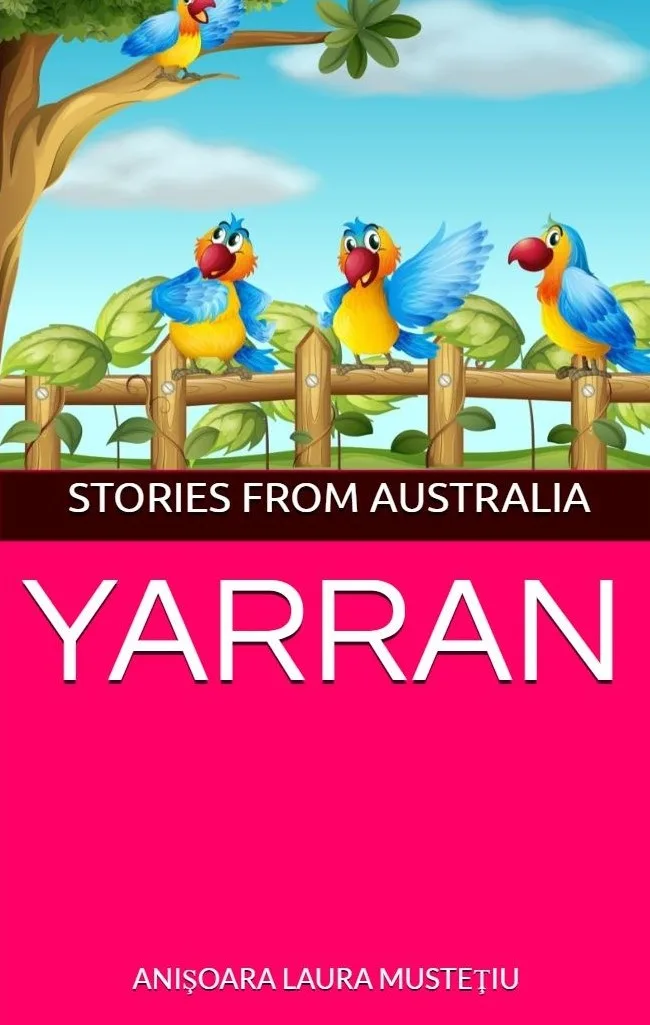
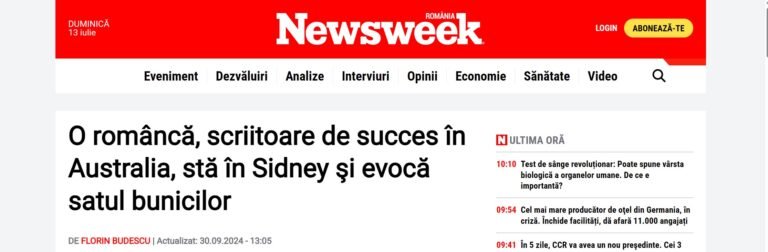
Anișoara Laura Mustețiu is a Romanian writer, born in Timișoara, who spent 24 years in Germany and has been living in Sydney since 2014. She writes prose inspired by real events, love stories, and reflective texts on identity, resilience, personal development, and the meaning of life. With works published in Romanian, English, Italian, and German, she blends literature with insights drawn from psychology, neuroscience, and philosophy.
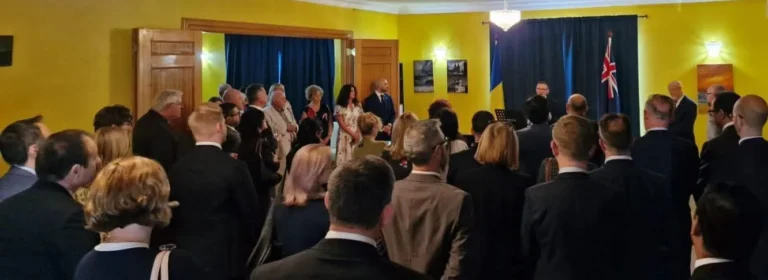
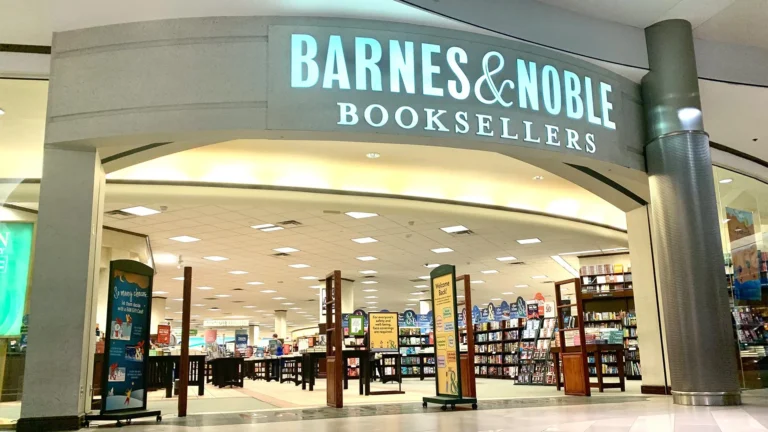
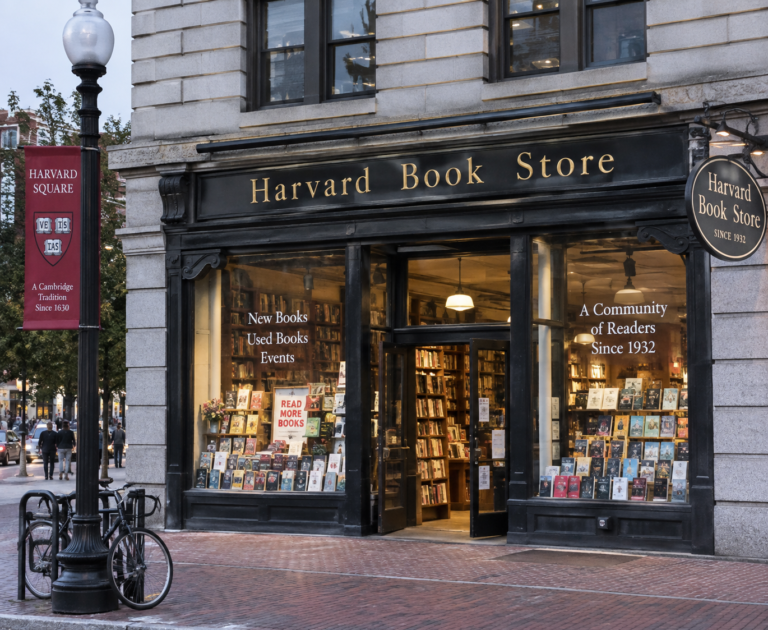
As a writer, editor‑in‑chief of the magazine Emoții și Lumină, radio editor, founder of the Romanian‑Australian Book Club, and an active on‑stage participant in Romanian‑Australian cultural events for the past decade, she contributes to promoting Romanian literature internationally and strengthening intercultural dialogue. Her books, published in four languages, are available in some of the world’s most prestigious bookstores — including Harvard Book Store, Barnes & Noble, and the royal Hatchards bookstore in London — and can be found in most major international cities.
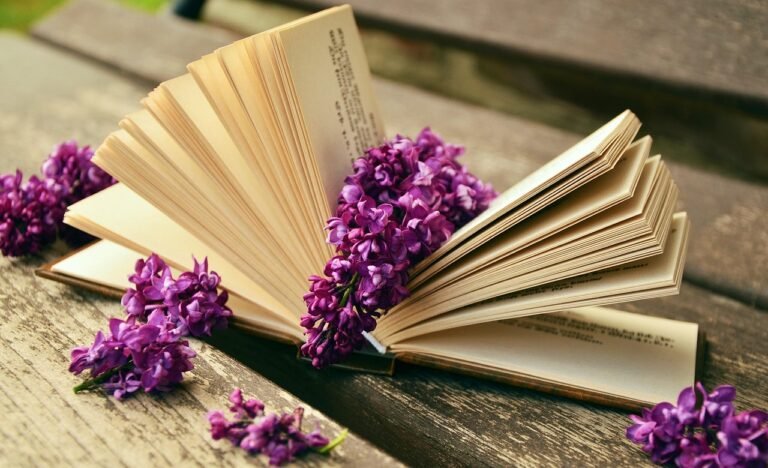
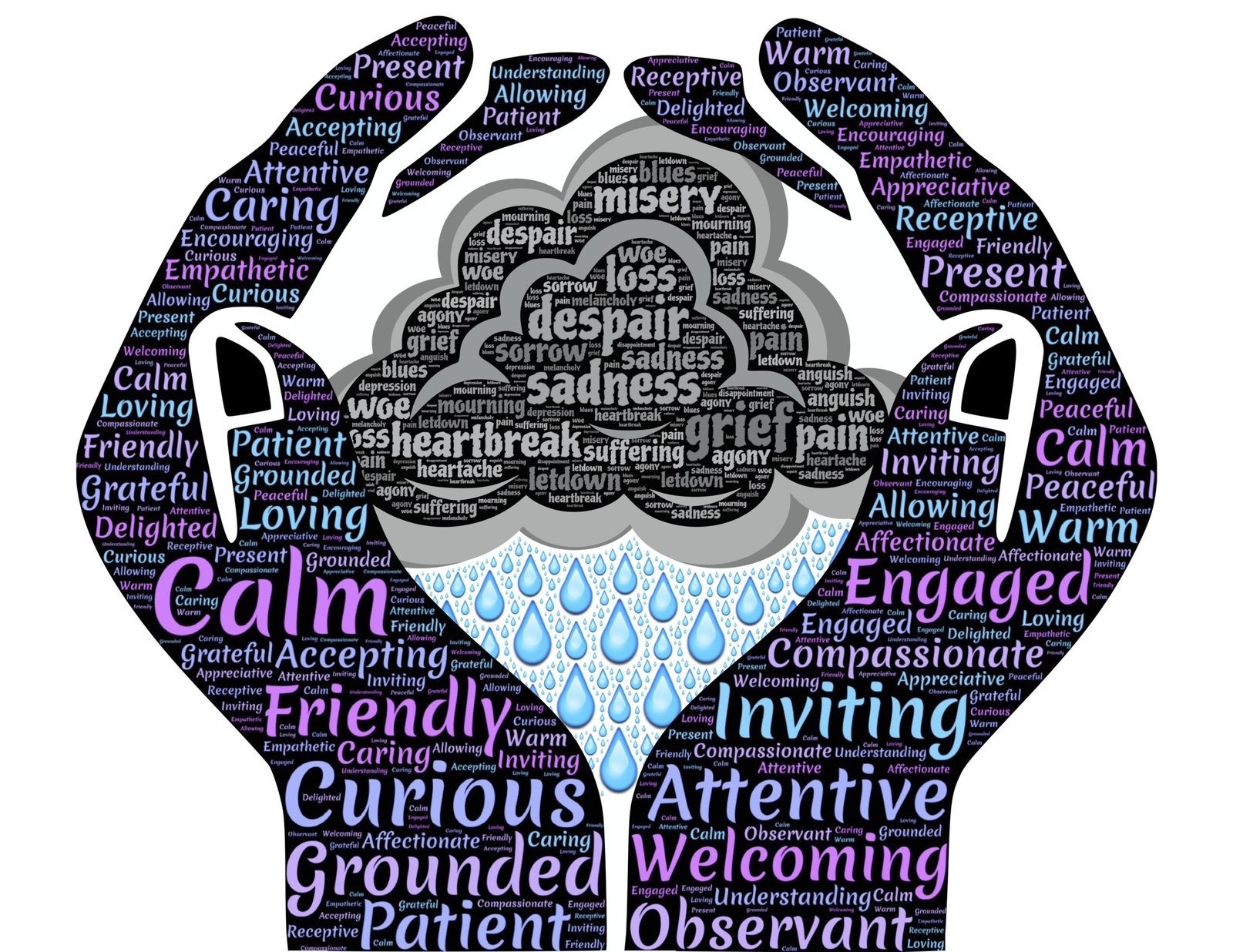
Image by John Hain, Pixabay